Starting from June, we will share an interview with a Tabbi user every month. I asked about their motivation for learning English, why they think Tabbi is better than other apps, and their personal tips for learning English.
For our first interview, we have Pilgong, a longtime blog acquaintance of mine and a current Tabbi Plus user.
The idea for this interview series came to me while chatting with Pilgong. She showed incredible willpower by completing the 100-day English diary challenge when I ran the ChattingCat business. When we first met, she was living in Korea, and now it's been 10 years since she moved to Canada. Her dedication to daily English study is a great inspiration to me.
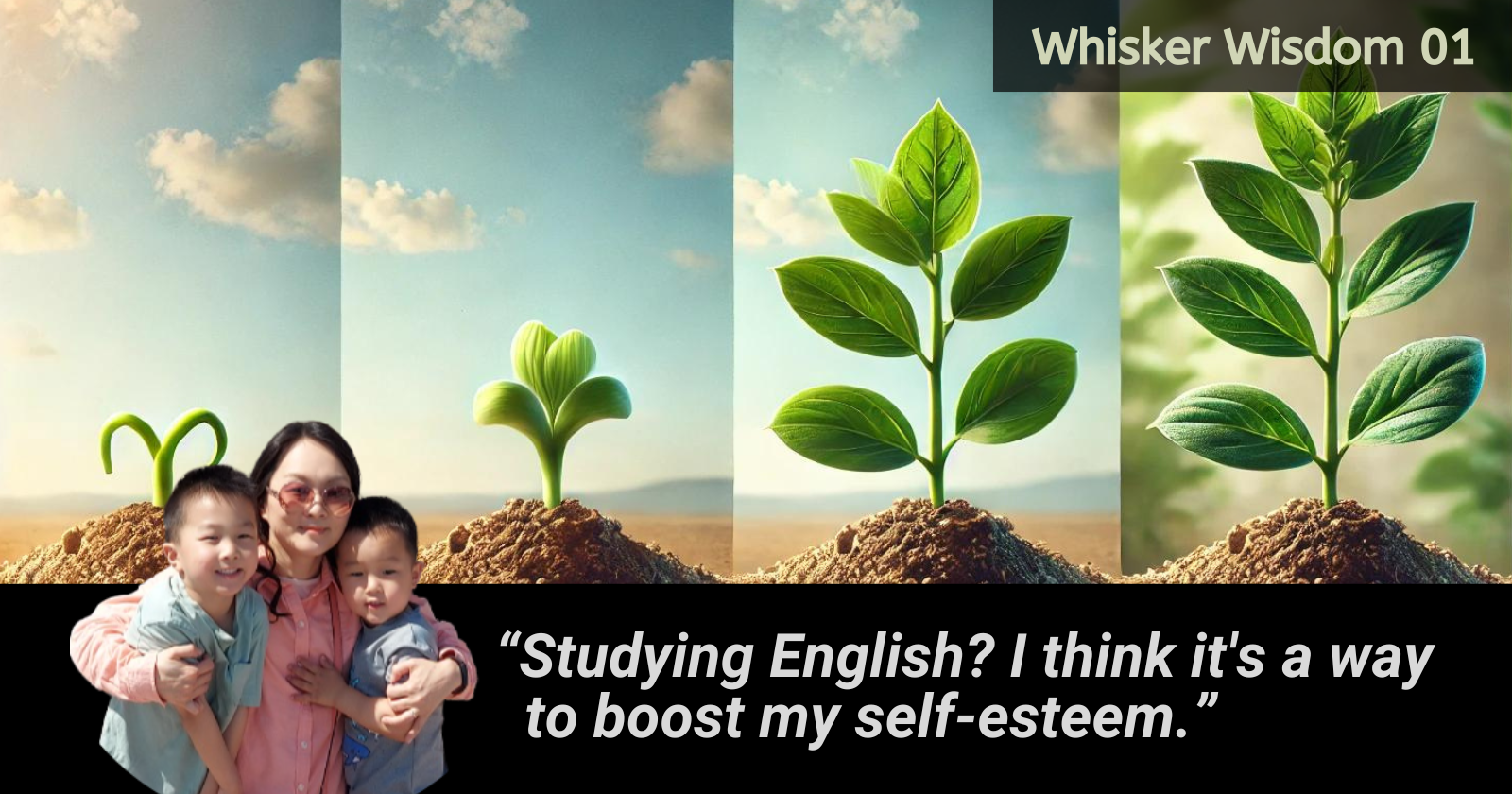
So, I asked her, "I've been curious for a long time, what is your motivation for studying English? What is the source of your passion?" And she answered:
Studying English? I think it's a way to boost my self-esteem. Honestly, it's hard to become like a native speaker, but if you don't do anything and still can't do it, your self-esteem suffers... but if you work hard, you can say you are making progress even though there is a limit.
As a fellow immigrant, I totally understand and feel motivated by her words. That's why I thought, "I need to share this story with other Tabbi fans.”
April: Can you introduce yourself and share a bit about your background and interests?
Pilgong: Absolutely! I’ve been living in Canada for 10 years, raising two kids, and running a blog (https://blog.naver.com/peripanu) under the nickname Pilgong. Alongside my husband, I manage a business. I have diverse interests, especially in English learning, which includes watching Netflix shows, writing reviews, and reading or listening to English books.
April: How did you discover Tabbi, and why do you use it?
Pilgong: I first came across Tabbi’s founder, April Kim, through her service ChattingCat about 8 years ago. It provided real-time English corrections, which was incredibly helpful. When the service closed, I was quite disappointed. Later on, I joined Tabbi as a beta tester, giving feedback to improve the service. It was great to be part of something so useful and see it evolve.
April: What motivates you to learn English, and what are your goals?
Pilgong: Before moving to Canada, my English was quite poor. Working in Seoul gave me the opportunity to interact with foreign friends, which motivated me to study English. I joined an English study group, which was challenging but essential. Writing became my main focus because my teacher emphasized its importance for speaking skills. Even after 10 years of study, English is still tough for me, but I believe consistent effort is key. Practicing writing and correcting errors through Tabbi has been very helpful. Persistence in language learning, like daily practice, is crucial.
April: How does Tabbi compare to other apps and methods you’ve tried?
Pilgong: Tabbi stands out for several reasons. It offers a correction history, tailored feedback for writing and speaking, and a red pen function for checking mistakes. It’s easy to review and improve the highlighted parts. These features make it more effective than other apps I’ve tried.
April: What advice would you give to others looking to improve their English skills?
Pilgong: I recommend watching English TV shows and reality shows with dual subtitles. It’s important to put what you learn into practice. I write 400-character summaries of episodes, get them corrected, and practice those expressions. This method combines both input and output, which is very effective.
I hope the interview with Pilgong was as inspirational to you as it was to me. You can visit her blog to see her posts about her daily efforts to improve her English.
I am proud of many Tabbi users, and I'm sure there are many more worth sharing their learning journey. If you have a great story to share, your secret know-how, or effective ways to learn English, please contact us (hello@tabbi.ai).
Comments
Join the discussionNo comments yet. Be the first to comment.