How AI Helped Me Ace Job Interviews as a Non-Native English Speaker.

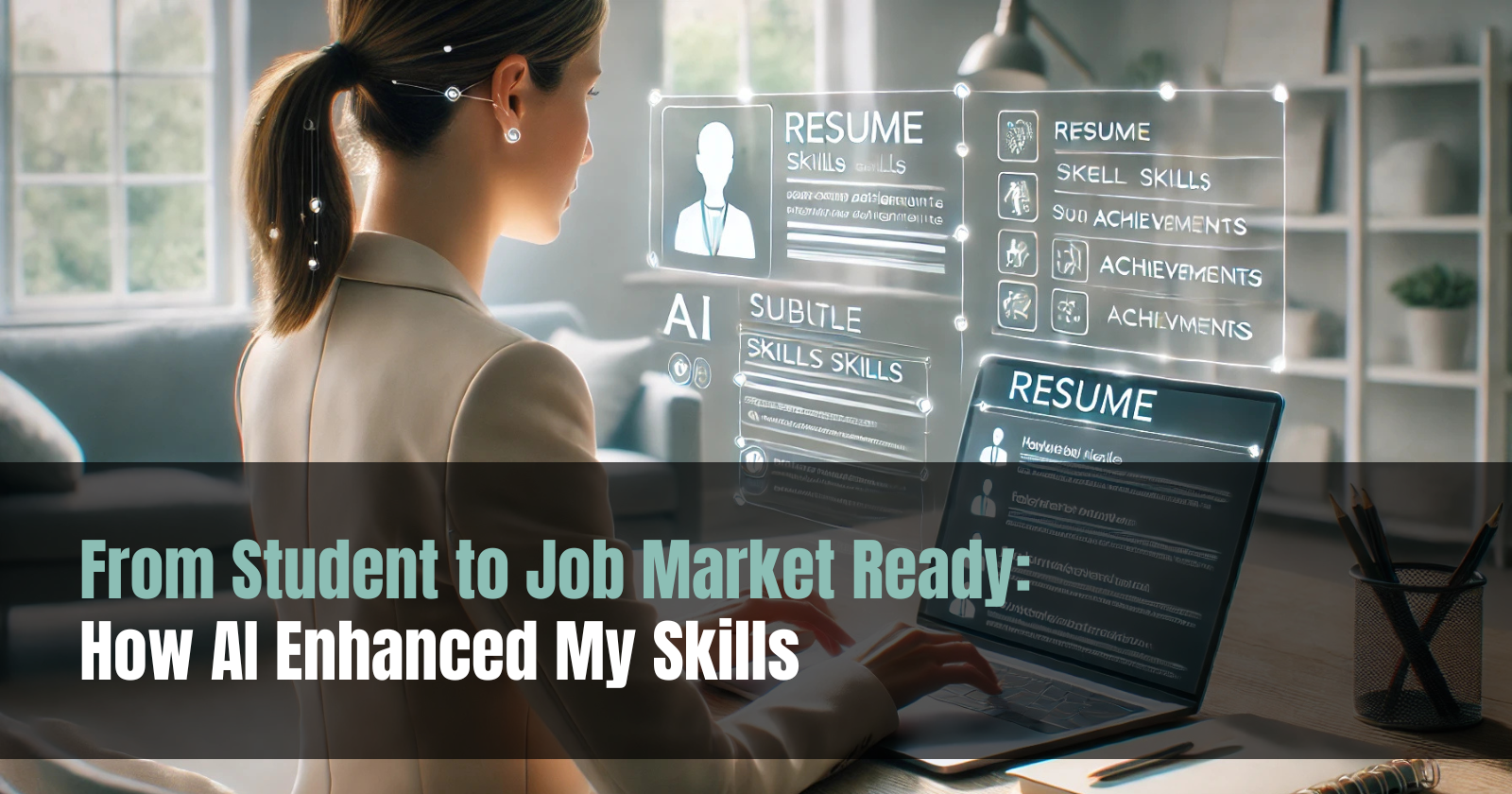
Living in a world where artificial intelligence is a big part of work and daily life, I have found it fascinating to use these tools in my job search. AI helped me not only write my resume but also practice for job interviews. It organized information about the jobs and companies I applied to, enabling me to prepare clear answers to possible interview questions.
Preparing Beyond the Resume with AI.
AI gave me valuable insights from different sources, making me feel more ready for interviews. I believe interviews are a chance to show who I am beyond my work experience. It’s also an opportunity to explain why I’m the right person for the job. By using AI, I organized my thoughts, prepared strong answers, and used the right words to express myself clearly during interviews.
After applying for jobs, I used AI tools like ChatGPT to identify key points, such as how my skills align with the position I’m pursuing. It helped me create answers that highlight my experience and personal qualities. I also used it to understand the company’s industry, allowing me to adjust my tone and language. AI even generated potential interview questions, which helped me craft a script to practice different scenarios.
Improving My English with Tabbi Talk.
Since English is my second language, I know I make mistakes, especially in important situations like interviews. Being in a multicultural environment reminds me that many people speak English as a second language. To improve, I use Tabbi Talk, a tool that lets me record myself for two minutes, checks my pronunciation, and corrects mistakes. It also suggests better words or phrases for my script, helping me communicate more clearly and professionally.
Practicing the STAR Technique with AI.
When preparing for interviews, I use the STAR method (Situation, Task, Action, Result) with the help of Tabbi AI and ChatGPT. These tools help me find examples of past work to discuss in interviews. For instance, I explain how I managed candidate searches for customer service roles, created selection filters, and improved the hiring process. I also share measurable results, such as reducing hiring time and increasing employee retention.
After finalizing my script, I practice using video tools to observe my body language and manage nerves, especially when interviewing in my second language.
AI: A Game-Changer for My Interview Preparation.
AI has transformed how I prepare for job interviews. From crafting a strong resume to practicing clear answers, these tools helped me organize my thoughts and focus on what’s important. They improved my English, corrected my pronunciation, and boosted my confidence in expressing myself effectively.
Thanks to AI, I feel more prepared and confident in showcasing how my skills and experience match the role. These tools turned my weaknesses into strengths and gave me the confidence to succeed in any interview.
Comments
Join the discussionNo comments yet. Be the first to comment.